Professional
Dead Possum Removal
Safe Carcass Retrieval and Complete Odour Elimination
Is a terrible decaying smell taking over your home? Our expert wildlife sanitation specialists deliver prompt carcass retrieval, deep chemical sanitisation, and complete odour elimination.
Local
Area Experience
Safe
Exclusion Methods
Rapid
Response Time
Quality
Proofing Materials
Expert Carcass Retrieval & Restoration
When a possum becomes trapped and unfortunately dies inside your roof cavity, wall voids, or under floorboards in , the decaying carcass creates an overwhelming odour. This terrible smell is not just a major inconvenience - it represents a biological hazard that contaminates building materials and seeps into your living environment.
Our specialized removal process goes far beyond simple extraction. We pinpoint the exact location of the decay, safely remove the carcass, extract saturated insulation, apply deep organic neutralisers, and seal the structural entry points to ensure no future wildlife can enter and suffer the same fate.
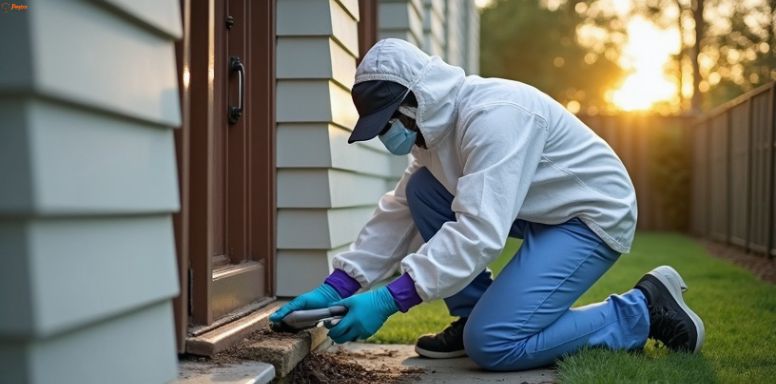
Identifying a Dead Possum Location
Recognizing these signs early ensures fast extraction before severe structural saturation occurs.
Sweet, Sickly Odour
A highly distinctive, heavy, and sweet decay odour that intensifies over several days and spreads through ducts.
Sudden Pest Spikes
A sudden influx of large blowflies, carrion beetles, or crawling maggots around ceiling vents and cornices.
Ceiling Stain Spots
Dark, oily, or damp moisture spots appearing on plasterboards, caused by organic fluids seeping down.
Decay Biohazards
Decaying carcasses release millions of pathogenic bacteria and attract aggressive nesting parasites that migrate to humans.
Critical Biological Hazards of Decaying Wildlife
A decaying possum in an enclosed ceiling space is a highly active biological hazard. As the tissues decay, they release harmful gasses and airborne micro-bacteria. When family HVAC systems draw air from these ceiling voids, they circulate these pathogens, creating severe health risks for children, elderly, and pets.
Furthermore, wild parasites like ticks, fleas, and bird mites abandon the cooling carcass in thousands, migrating through vents and wall cracks directly into your bedrooms. Prompt extraction and chemical sanitisation are vital.
Permanent Plasterboard & Timber Contamination
Decay fluids seep deeply into porous materials like ceiling plasterboards, timber joists, and cellulose insulation. If left untreated, these fluids completely saturate the plaster, causing it to weaken, rot, and eventually collapse into your living spaces.
The damp, contaminated timber also triggers severe localized black mould growth, which is extremely difficult and expensive to remove. Rapid extraction prevents these extensive structural restoration costs.
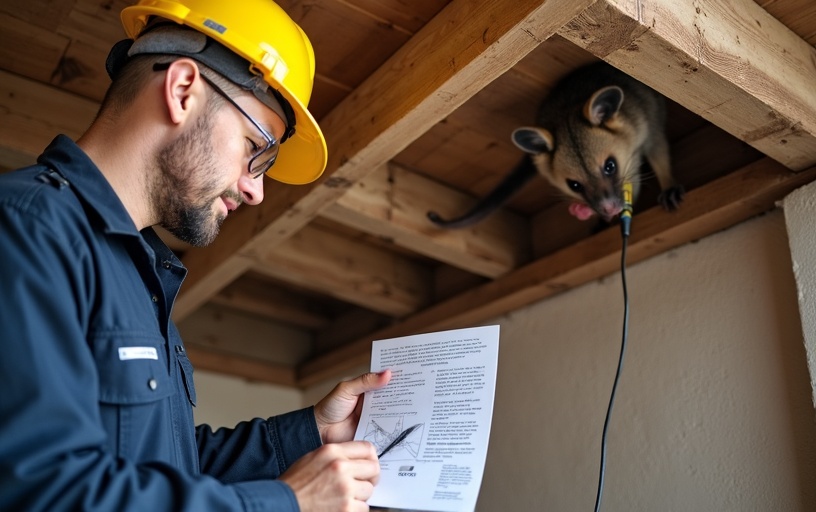
Why Homeowners Trust Pestro
Dedicated wildlife sanitation specialists who prioritize safety, depth, and permanent outcomes.
Qualified Wildlife Specialists
Every specialist is highly trained in biological hazard handling, chemical sanitisation, and safe disposal.
Total Odour Control
We don't just mask odours - we use active enzyme treatments to completely neutralize decay compounds at the molecular level.
Quality Support Cover
All proofing barriers installed by our team to seal the property from future possums are backed by our promise.
Why DIY Dead Possum Extraction is Unsafe
Attempting to locate and extract a decaying carcass yourself without high-grade personal protective equipment (PPE) poses serious health risks. Inhaling biological dust, seeping fluids, or nesting mould can lead to severe bacterial infections. Furthermore, without advanced thermal cameras, DIY attempts often result in blindly smashing multiple holes in plasterboard.
Additionally, disposing of native wildlife in domestic waste bins is strictly restricted in multiple councils. Our permitted teams handle extraction, compliant bio-disposal, and complete medical-grade sanitisation safely and compliantly.
Accredited Wildlife Care
- State-compliant carcass disposal protocols.
- Thermal imaging location mapping.
- Medical-grade sanitisation and deodorising.
- Quality Workmanship Promise on proofing.
Our Proven Step-by-Step Retrieval Process
A professional, hygienic, and highly structured sanitisation protocol.
Locate
Thermal imaging search to pinpoint the carcass inside voids.
Extract
Safe retrieval of the carcass using protective biohazard containment.
Clear
Removal of contaminated insulation and saturated plasterboards.
Sanitise
Application of high-strength anti-bacterial sanitisers.
Deodorise
Active chemical neutralising to destroy lingering decay molecules.
Block
Heavy-duty sealing of entry gaps to prevent subsequent invasions.
Serving Suburbs Across Major Cities
Adapting our advanced detection and sanitisation workflows to local homes across Brisbane, Sydney, and Melbourne.
Brisbane Region
Managing high humidity decay acceleration, tropical subfloors, and ceiling cavity extraction.
Sydney Region
Locating carcasses in sandstone voids, multi-level terrace crawlspaces, and historical brick cavities.
Melbourne Region
Pinpointing decay points in seasonal weather situations, tin roofs, and underfloor cavities.
Dead Possum Removal FAQ
Find quick answers to common questions about decaying wildlife extraction and sanitisation.
Why should I hire a specialist for dead possum removal?
How do you find a dead possum inside a wall or ceiling cavity?
Is the foul decay odour immediately eliminated?
What pathogens do decaying possums carry?
Do you offer workmanship support for proofing the entry points?
Eliminate the Decay Odour Immediately
Get prompt on-site carcass retrieval and complete medical-grade sanitisation from Pestro. Safe, clean, and permanent solutions.
Request Urgent Retrieval
Medical-grade sanitisation and odour removal
Direct Contacts
Available 24/7 for urgent wildlife needs